Wednesday, November 19, 2025

Module 3: Marginalized Populations

 Advocating for Marginalized Communities and College Affordability: A Guide  for Audiology and Speech-Language Pathology Students - NSSLHA Blog

Retrieved from: https://blog.nsslha.org/2023/07/06/advocating-for-marginalized-communities-and-college-affordability-a-guide-for-audiology-and-speech-language-pathology-students/    

Throughout the world we see populations which are treated in a much more negative manner than others. Their health needs are not prioritized, and they face an unequal amount of poor treatment and discrimination. In my blog we will look at some of these populations and the effects on their health of simply belonging to one of these populations.


So, what is a marginalized population?

    Marginalized communities are those in which the members are excluded from conventional life, such as from culture, education, social, and economic fronts (Sevelius et al., 2020). Communities which are frequently classified as marginalized may include Indigenous peoples, women, differing ethnicities, and those with mom-traditional views on sex/sexual orientation (Charles-Rodrigues et al., 2025). We can think of many of these communities as the people who are pushed to the side by conventional society. Unfortunately, many of these communities also face poor outcomes driven by the social determinants of health, specific to these communities (Charles-Rodriguea et al., 2025). This may include issues including potentially higher rates of chronic disease, substance use and mental illness.

More than 21,000 homeless people in U.S. could be hospitalized due to  COVID-19 | UCLA

Retrieved from: https://newsroom.ucla.edu/releases/homeless-people-hospitalized-covid-19

    Mental health, addiction, and disease are greatly affected by social determinants of health including employment, education level, food access, housing, social supports, access to health care, and income (Kirkbride et al., 2024). Within the United States, the southeastern section of the country has higher rates of chronic disease with a direct correlation to higher levels of socioeconomic disadvantages (Benavidez et al., 2024). Racial marginalized communities, such as the black community, are disproportionately affected by substance abuse with higher levels of stigma surrounding the topic (Ghonasgi et al., 2024). Geographically, locations with proportionally higher populations of Black residents, large numbers of residents receiving government assistance, and low value older homes; experience a large growth in the incidence of hypertension and stroke (Benavidez et al., 2024). The combination of lack of access, lack of knowledge, and mostly negative outside influence; marginalized populations are in a unique position which makes their health likely to be much worse than those in affluent areas.
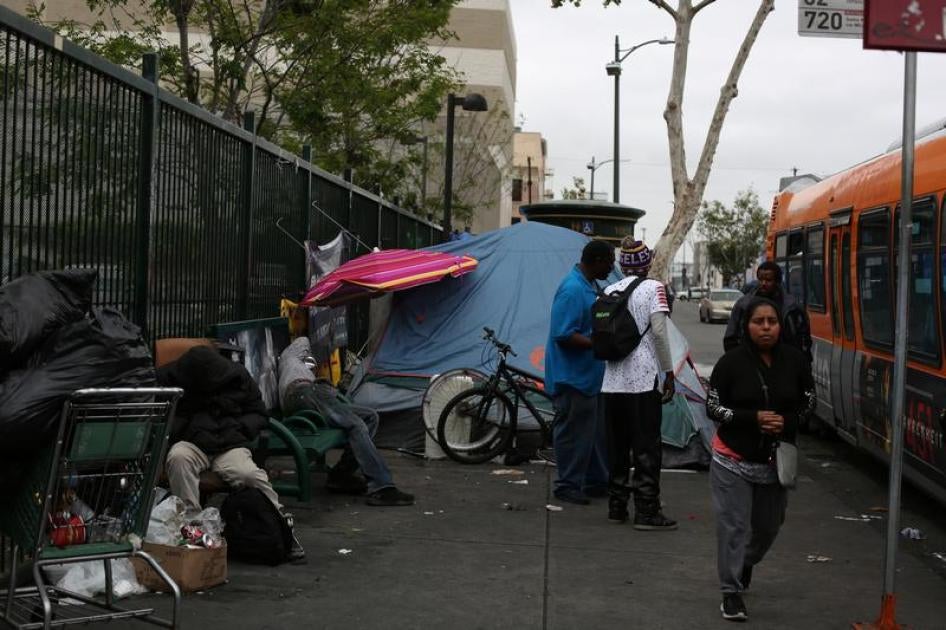
US Should Address Concerns Raised in UN Poverty Report | Human Rights Watch

Retrieved from: us-should-address-concerns-raised-un-poverty-report

    So, we have talked about many populations of marginalized people. What about veterans, homeless, and incarcerated populations? Are these also marginalized people? Yes, unfortunately they are. They have a unique relationship also, as they all are likely within each setting. As in a veteran, homeless person, or incarcerated person are likely to all be the same person. An unbelievably surprising 8% of incarcerated persons within our country are military veterans, with higher rates of mental health issues, more likely to have unstable housing/employment, die from an overdose, etc. (Kelton et al., 2022). This population is unique and their experiences within the military are just as different. It is truly unfortunate that the people who served our country do not receive the care to properly meet their socio-cultural needs.
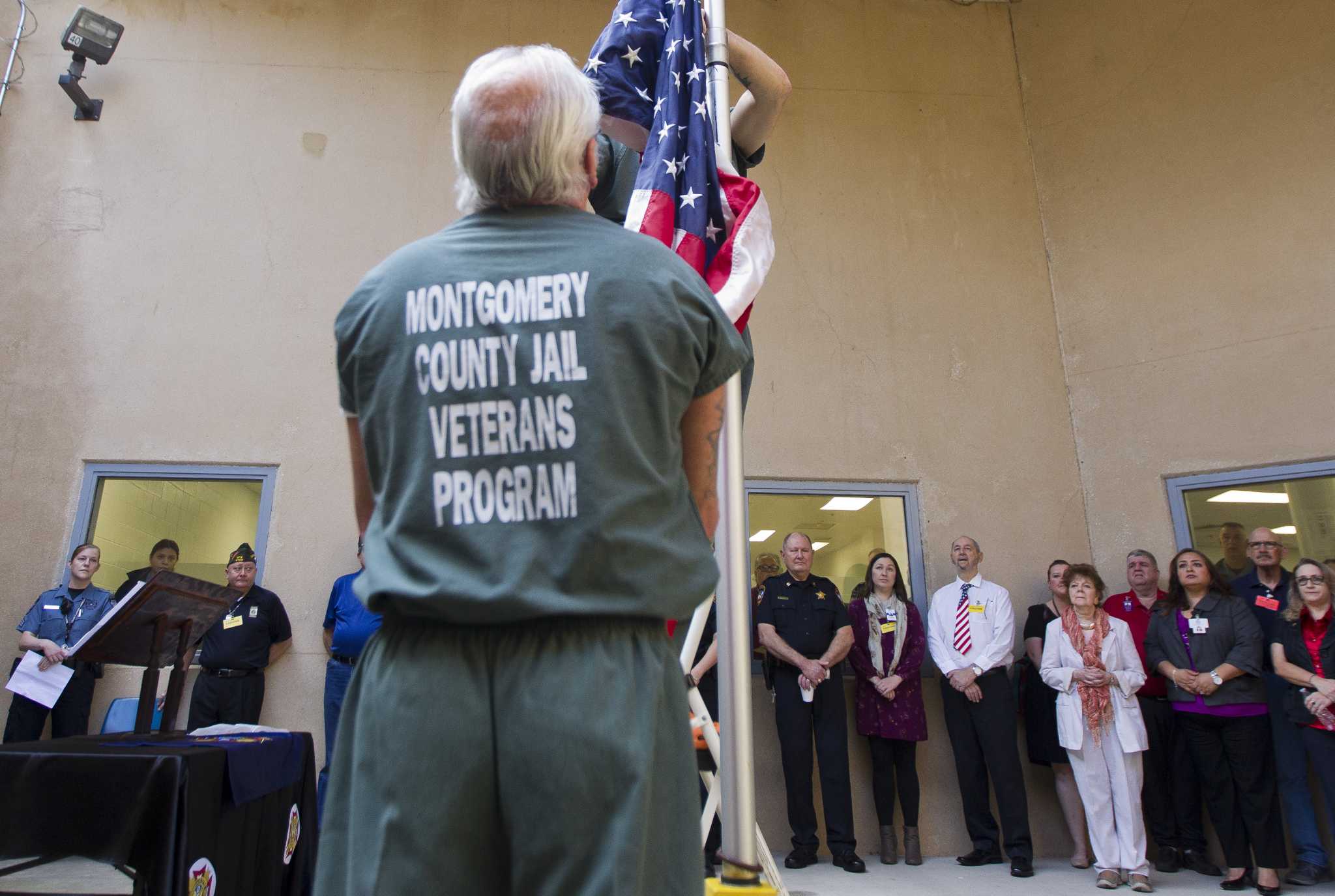

Mentor program launched for incarcerated veterans in Montgomery County

Retrieved from: https://www.yourconroenews.com/neighborhood/moco/news/article/Mentor-program-launched-for-incarcerated-veterans-12791704.php


Please take a few moments to watch the video below:

 https://www.youtube.com/watch?v=GvC1mG1L7DE


    It is so obvious from watching his demeanor within the first few seconds of the video, what a mental strain he is under. From the gestures to facial expressions, the stress level appears extremely high. Imagine living like this every day of your life. How could we do more to make people like him return to society? As Nurse Practitioners we will likely have patients who have had traumatic pasts, we must learn to identify those who need help and try to intervene.
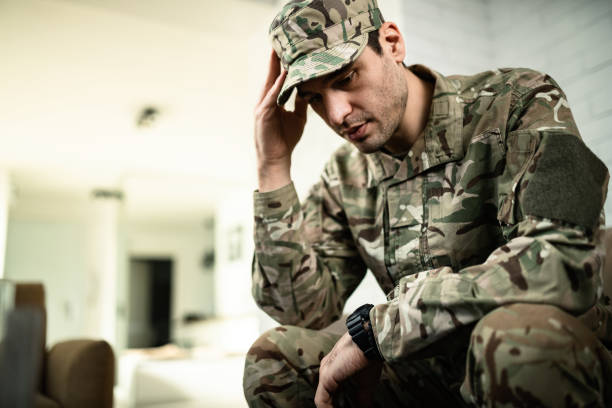
 

6,900+ Sad Veteran Stock Photos, Pictures & Royalty-Free Images - iStock | Sad  soldier, Va hospital, Military

Retrieved from: https://www.istockphoto.com/search/2/image-film?phrase=sad+veteran&tracked_gsrp_landing=https%3A%2F%2Fwww.istockphoto.com%2Fphotos%2Fsad-veteran


    If you have a moment, please check out this page. They focus specifically on reintroduction to society, homelessness, suicide, and real stories from veterans.

https://www.youtube.com/@UrbanValorTV


    What can we do? 

    To start, we must change as a society to look out for one another. I grew up in a very rural areas where there was only a handful of people from other cultures. I did not realize as a child how isolating this was, and the significant lack of any cultural variety is not a good thing. As people, we need to eliminate disparities for marginalized people. There should be no reason a person’s race, education level, or location should limit care, given modern technology. We need to be better as providers. For our military, we need to do more inclusive screening to find at risk persons. This will hopefully allow for early intervention of reintroduction to society. All patients should be educated every chance we have, to hopefully end cultural exclusion and misconceptions. We have a duty to do good for the people we interact with as providers, let’s make every interaction one which does something positive for the future!


How to help someone with depression: 9 tips - Lemonaid Health

Retrieved from: how-to-help-someone-with-depression-9-tips


 Check out this great research I found:

https://www.sciencedirect.com/science/article/pii/S2772724625000307


    Ngo et al. (2025) researched this vulnerable population, veterans, but more specifically, those on long-term opioid therapy. This group is likely to have high percentages of chronic pain requiring opioids, large numbers of persons with post-traumatic stress disorder/depression, and likely to experience socioeconomical problems. All of these placing them at a much higher risk of developing a substance abuse problem (Ngo et al., 2025). They researched gaps in the current data regarding veteran substance abuse, and biomarkers to screen veterans. Specifically looking at veterans on long-term opioid therapy and whether there were also substance abuse issues occurring, and if so the relation to mortality rates (Ngo et al., 2025). 

    I think that this is a phenomenal study. This is a topic which should be a top priority for our military. In thinking about this research, is it proper treatment if we know there is such a prevalent issue that has not been fully studied? They did find increased mortality rates at younger ages for veterans on long-term opioids for pain management, with a co-occurring substance abuse problem (Ngo et al., 2025). It is easy to see how these could be likely findings from my experiences caring for patients of a similar demographic. Ngo et al. (2025) suggest the solution to include broader patient screening, legislation to include prevention and being more proactive to better patient outcomes. 

What do you think of this article? 

Where do you think further research is needed?


Military Substance Abuse Statistics | Tricare Rehab Center

Retrieved from: military-substance-abuse-statistics


Some of us may end up working with veterans as Nurse Practitioners. I think any appointment should provide the opportunity to reach out and help patients within any community, understanding that some of our patients may have extremely different backgrounds. It will be our role as providers to find patients from marginalized communities and become the provider who truly helps them. Think about how many patients one provider could make the make the difference for by being aware and active in the challenges our patients face.


How will you approach treating patients from marginalized communities?

Have you ever heard providers talk negative about a patient due to their appearance, hygiene, culture, language? How did it make you feel?


 Finding the right doctor takes plenty of research, asking questions

Retrieved from:  https://www.floridatoday.com/story/life/wellness/2022/12/20/finding-the-right-doctor-takes-plenty-of-research-asking-questions/69729166007/


References

Benavidezm G.A., Zahnd, W.E., Hung, P., & Eberth, J. (2024). Chronic disease prevalence in the US:             Sociodemographic and geographic variations by zip code tabulation area. Preventing Chronic Disease,         21(1), 1-14. https://doi.org/10.5888/pcd21.230267


Charles-Rodrigues, U., Ngwesi, D.P., Damag, S., Johnson, N., Bharwani, A., Ladha, T., &                                Salami, O. (2025). Uncovering systemic barriers related to equity, diversity and inclusion in child health     research: a scoping review addressing marginalized communities. BMJ Global Health, 10(8), 1-19.             https://doi.org/ 10.1136/bmjgh-2024-015824


Ghonasgi, R., Paschke, M.E., Winograd, R.P., Wright, C., Selph, E., & Banks, D.E. (2024). The                     intersection of substance use stigma and anti-Black racial stigma: a scoping review. International                 Journal of Drug Policy, 133(104612), 1-58. https://doi.org/10.1016/j.drugpo.2024.104612


Kelton, K., Van Voorhees, E.E., Elbogen, E.B., & Dillon, K.H. (2022). Correlates of incarceration history            among military veterans. Military Psychology, 35(6), 577-589.                                                                       https://doi.org/10.1080/089955605.2022.2141049


Kirkbride, J.B., Anglin, D.M., Colman, I., Dykxhoorn, J., Jones, P.B., Patalay, P., Pitman, A., Soneson, E.,         Steare, T., Wright, T., & Griffiths, S.L. (2024). The social determinants of mental health and disorder:         Evidence, prevention and recommendations. World Psychiatry, 23(1), 58-90.                                                https://doi.org/10.1002/wps.21160


Ngo, T.P., Keyhani, S., Leonard, S., & Haggatt, K.J. (2025). Substance use and use disorders among                 Veterans on long-term opioid therapy. Drug and Alcohol Dependence Reports, 16(1), 1-9.                             https://dpo.org/10.1016/j.dadr.2025.100347


Sevelius, J.M., Gutierrez-Mock, L., Zamudio-Haas, S., McCree, B., Ngo, A., Jackson, A., Clynes, C.,             Venegas, L., Salinas, A., Herrera, C., Stein E., Operario, D., & Gamarel, K. (2020). Research with             marginalized communities: Challenges to continuity during the COVID-19 pandemic. AIDS Behavioral,     24(7), 2009-2012. https://doi.org/10.1007/s10461-020-02920-3


Sussman, S., & Sinclair, D.L. (2022). Substance and behavioral addictions, and their consequences among     vulnerable populations. International Journal of Environmental Research and Public Health, 19(10), 1-        5. https://doi.org/10.3390/ijerph19106163


Saturday, October 4, 2025

American Addiction

American Addiction

An Introduction to Addiction

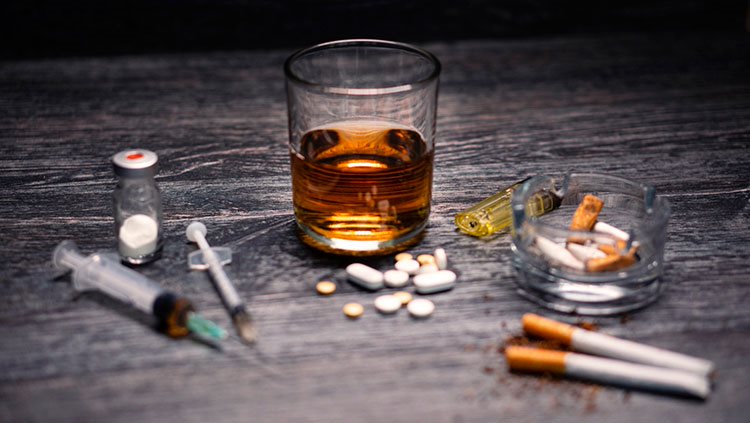
    Driving to nearly any town in American, you can see the result of our massive issue with drug addiction. Children can no longer play independently in public spaces due to the risk of needle exposure. Areas of town are avoided due to the appearance of individuals barely alive, resulting from their addiction to illegally obtained drugs. The beautiful place where I was raised has a truly breathtaking scenery, yet a sinister layer hides under the surface. A layer in which addiction to drugs and alcohol holds an unbreakable bond.


Take a moment to read these current news articles, highlighting some of the current issues within the United States:

As sad as these show the state of our country to be in, we cannot turn away.


   In 2023 the Office of the Surgeon General reported the annual financial strain to the United States for illicit drug abuse totals $193 billion and $249 billion due to alcohol abuse. These are staggering numbers not only represent the individuals affected, but their family and country whom also suffering the consequences. The United States is unfortunately at the forefront of the addiction epidemic. We have very high numbers of addiction, but also the number for those seeking treatment is also lower than other countries (United Nations, 2025). The United Nations (2025) estimates that in the year 2023 the number of people globally abusing substances has grown 28% in the past 10 years, to a staggering 316 million.


    Looking at the numbers you might ask, but why us? Did our quest for profit from pharmaceuticals drive us towards a destiny of never ending addiction? We may be able to look at ourselves in answering these questions. Society tends to prefer hiding and covering our less attractive flaws. When our pain crisis was first beginning, it is difficult to believe that those who stood to profit the most, did not realize the after effects. When I was a teenager, a family friend started on the path to addiction. He was a fun loving, hard working man who liked to have a good time. He started seeing a provider who was working independently at a private clinic. It started with a small narcotic prescription to help manage his bodily pains from a lifetime of manual labor. Before long he was taking huge amounts of narcotics, leading to his life rapidly spiraling into chaos. He unfortunately took his own life after the addiction destroyed his career and family. He left behind a loving family which included 2 small children and a loving wife. Was it an underlying depression which led to his suicide, or was it the medications? We will never know, but it was very clear that haphazard prescribing, if not being the primary cause, certainly hastened his untimely death.


    The stigma which surrounds substance use disorder far exceeds that of any other mental or physical ailment (Hayek et al., 2024). This leads to a lack of desire to seek treatment, feelings of shame or guilt, and no open dialogue where problems can be discussed. I remember having a coworker who was dealing with some significant life changes and required and inpatient stay for psychiatric treatment. I was amazed that as healthcare workers; the consensus was for the staff to discuss this rumor amongst themselves. Now imagine going back to work after having something like this happen to you, how willing would you be to talk about the issues you are dealing with? It is important for us to remember that we could easily be in someone else's shoes if our lives had started on a different path.


    Our module had some wonderful stories on addiction, I want to share a few more great personal stories of battling addiction and succeeding:


    I will admit, my thoughts on addiction have changed greatly through the years. When I first became a nurse, we had relatively high rates of patients actively detoxing from alcohol. I tended to resent these patients, simply because they were so combative and time consuming. As time has gone on, through growing as a nurse and a person, my first thought when seeing a similar patient is, “I wonder what they are dealing with?” So many people I know who suffer from addiction, did not become an addict because they thought it would be fun. Most people are using drugs to self-medicate because they do not know how to help themselves. I do find addiction to be a quite interesting topic, therefore I have read numerous books regarding the subject and watched countless documentaries on addiction. Many people are in addiction to cope with depression, anxiety, trauma, etc. This begs the question, is our issue with substances or is our problem a lack of mental health services?


    As Advanced Practice Registered Nurses (APRNs), what does this mean? We will have children growing up in very poor home situations, a lack of preventative care, chronic disease running rampant related to addiction, or even managing mental health crises on an outpatient basis. There is a slew of social service needs which accompany drug addiction. Even though it has been proven for mental health outcomes to be more positive with early intervention, only about 45% of adults with mental illness and 10% of substance abusers seek treatment (Alegria et al., 2021). So where are we leaving those who do not know how to ask for help? We have the tools as APRNs to greatly improve this issue. We need to work with lawmakers to change healthcare and push for expansion of mental health services, work with school nurses to develop education regarding healthy coping strategies and the dangers of addiction, provide improved access to treatment centers at no cost to the individual, provide safe spaces where people can ask for help in hospital. There are so many things that we could change, becoming APRNs puts us in a more authoritative position in which we can reshape our culture and healthcare.


To end my post, I want anyone reading this to pose a few questions to themselves:

  • Put yourself in the shoes of someone you know who is actively dealing with addiction, can you see why they might have turned to addiction?

  • Do you think different circumstances in your own life may have put you on a path of addiction?

  • What would your children’s lives look like if you did not become a nurse and lived in significant poverty?

  • What do you think you can do to change the lives of addicts that you treat as an APRN?

  • Do you think we can change the future of addiction?


Although darkness may accompany addiction, there is a light at the end of the tunnel. Here is a link to a site with resources for those in need: https://nationalrehabhotline.org/maine/


References:


Alegria, M., Frank, R.G., Hansen, H.B., Sharfstein, J.M., Shim, R.S., & Tierney, M. (2021). Transforming mental health and addiction services. Behavioral Health Care, 40(2), 226-234. https://doi.org/10.1377/hlthaff.2020.01472 


Hayek, S.E., Foad, W., Filippis, R., Ghosh, A., Koukach, N., Mohammed Kheir, A.M., Pant, S.B., Padilla, V., Ramalho, R., Tolba, H., & Shalbafan M. (2024). Stigma toward substance use disorders: a multinational perspective and call for action. Frontiers in Psychiatry, 1(15), 1-5. https://doi.org/10.3389/fpsyt.2024.1295818


Office of the Surgeon General. (2023). Addiction and substance misuse reports and publications. U.S. Department of Health and Human Serviceshttps://www.hhs.gov/surgeongeneral/reports-and-publications/addiction-and-substance-misuse/index.html


    United Nations. (2025). Special points of interest. United Nations, Office on Drugs and Crime.https://www.unodc.org/documents/data-and-analysis/WDR_2025/WDR25_Special_points_of_interest.pdf

Monday, September 15, 2025

Changing the Face of America


Changing the Face of America

     As we look at America today, we must look to the health of our nation. Not only do we not prioritize many of the needed life skills in school, but many students also graduate high school with a minimal understanding of society and the world. Not once was I taught how to manage money, how to properly invest, what good nutrition or diet should be, the importance of kindness, how to exercise properly, ways to manage stress, organization, how to cook healthy meals, etc. I have been extremely lucky to find a husband who has pushed me to learn. We have been together since we were 18 and together have prioritized healthy living in all aspects of our lives. If we did not push to be better from a young age, would I have ended up as many others from my hometown? Addicted to drugs, overweight, struggling with mental health, or even as an alcoholic.

     The social determinants of health involve where we are born, grow, live, work, and age (Chelak & Chakole, 2023). As we look towards becoming Advanced Practice Registered Nurses (APRNs) we must look towards how best to improve all aspects of these areas for our patients. I believe it is critical to focus on our education system as providers. Our educational system now is not moving forward but is stagnating and broken. Think of all the children who could benefit from education on how to be a successful and healthy adult. We could reach children who live in underserved areas and provide them with tools that they may not attain at home. If just 1 child has a better outcome in life from early intervention, that is a win in my eyes. If we raise a generation who prioritizes health promotion, I see a generation who will eliminate disparities.

    As APRN’s we should be educating our communities and anyone who will listen, that we need to do something now about the social determinants of health within America and globally. Imagine how different our practice would be if we treated less patients with preventable disease. With a decreased strain on the healthcare system, access would likely improve for all populations via reduced need for services. It is proven that early interventions to improve socio-emotional and physical wellbeing are effective (Tollan et al., 2023). It is downstream effect: teach children how to live better, they will grow up learning the skills they need to become healthy adults, an entire generation will be raised with significantly better overall health. This is similar to the old adage on teaching a man how to fish versus providing him a fish. If he learns to fish for himself, he will have an endless supply of fish. If we teach our children how to be healthy, they will become healthy adults with the skills to be successful.


References:

Chelak, K., & Chakole, S. (2023). The role of social determinants of health in promoting health equality:             A narrative review. Cureus, 15(1), 1-19. https://doi.org/10.7759/cureus.33425

Tollan, K., Jezrawi, R., Underwood, K., & Janus, M. (2023). A review on early intervention systems.                   Current Developmental Disorders Reports, 10(2), 147-153. https://doi.org/10.1007/s40474-023-                    00274-8

Module 3: Marginalized Populations   Retrieved from:  https://blog.nsslha.org/2023/07/06/advocating-for-marginalized-communities-and-college...