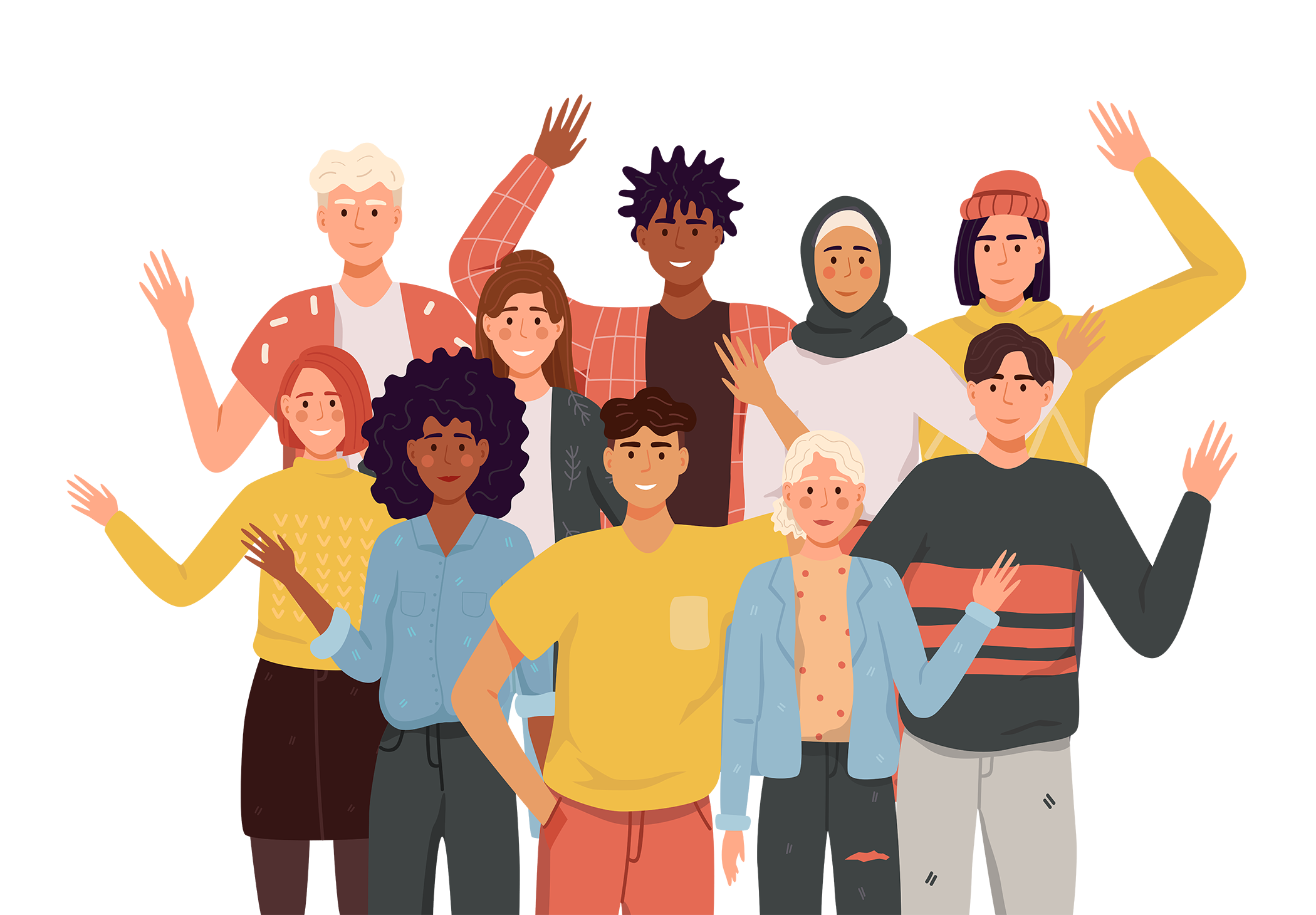
Throughout the world we see populations which are treated in a much more negative manner than others. Their health needs are not prioritized, and they face an unequal amount of poor treatment and discrimination. In my blog we will look at some of these populations and the effects on their health of simply belonging to one of these populations.
So, what is a marginalized population?
Marginalized communities are those in which the members are excluded from conventional life, such as from culture, education, social, and economic fronts (Sevelius et al., 2020). Communities which are frequently classified as marginalized may include Indigenous peoples, women, differing ethnicities, and those with mom-traditional views on sex/sexual orientation (Charles-Rodrigues et al., 2025). We can think of many of these communities as the people who are pushed to the side by conventional society. Unfortunately, many of these communities also face poor outcomes driven by the social determinants of health, specific to these communities (Charles-Rodriguea et al., 2025). This may include issues including potentially higher rates of chronic disease, substance use and mental illness.

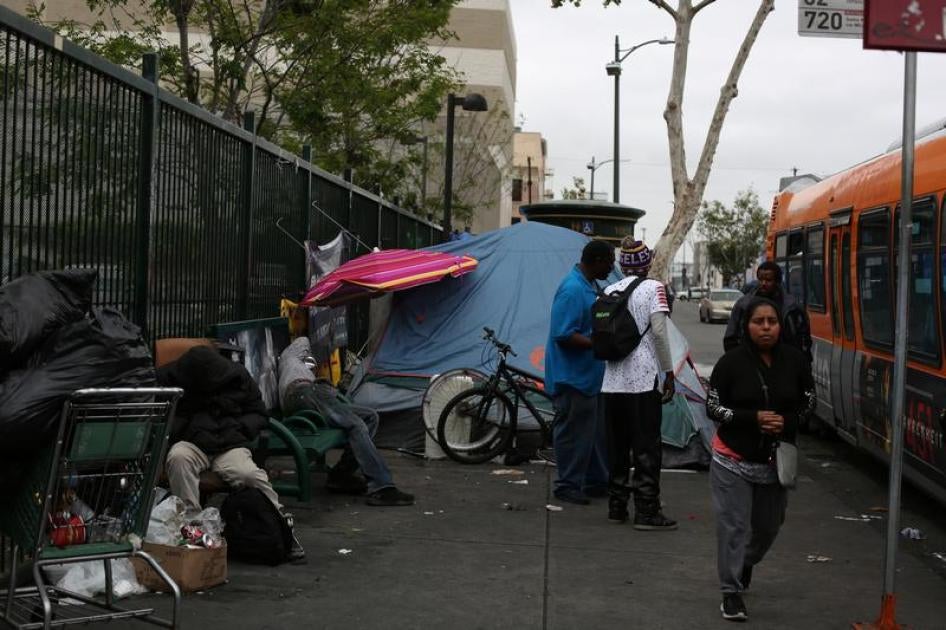
Retrieved from: https://newsroom.ucla.edu/releases/homeless-people-hospitalized-covid-19
Mental health, addiction, and disease are greatly affected by social determinants of health including employment, education level, food access, housing, social supports, access to health care, and income (Kirkbride et al., 2024). Within the United States, the southeastern section of the country has higher rates of chronic disease with a direct correlation to higher levels of socioeconomic disadvantages (Benavidez et al., 2024). Racial marginalized communities, such as the black community, are disproportionately affected by substance abuse with higher levels of stigma surrounding the topic (Ghonasgi et al., 2024). Geographically, locations with proportionally higher populations of Black residents, large numbers of residents receiving government assistance, and low value older homes; experience a large growth in the incidence of hypertension and stroke (Benavidez et al., 2024). The combination of lack of access, lack of knowledge, and mostly negative outside influence; marginalized populations are in a unique position which makes their health likely to be much worse than those in affluent areas.
Retrieved from: us-should-address-concerns-raised-un-poverty-report
So, we have talked about many populations of marginalized people. What about veterans, homeless, and incarcerated populations? Are these also marginalized people? Yes, unfortunately they are. They have a unique relationship also, as they all are likely within each setting. As in a veteran, homeless person, or incarcerated person are likely to all be the same person. An unbelievably surprising 8% of incarcerated persons within our country are military veterans, with higher rates of mental health issues, more likely to have unstable housing/employment, die from an overdose, etc. (Kelton et al., 2022). This population is unique and their experiences within the military are just as different. It is truly unfortunate that the people who served our country do not receive the care to properly meet their socio-cultural needs.
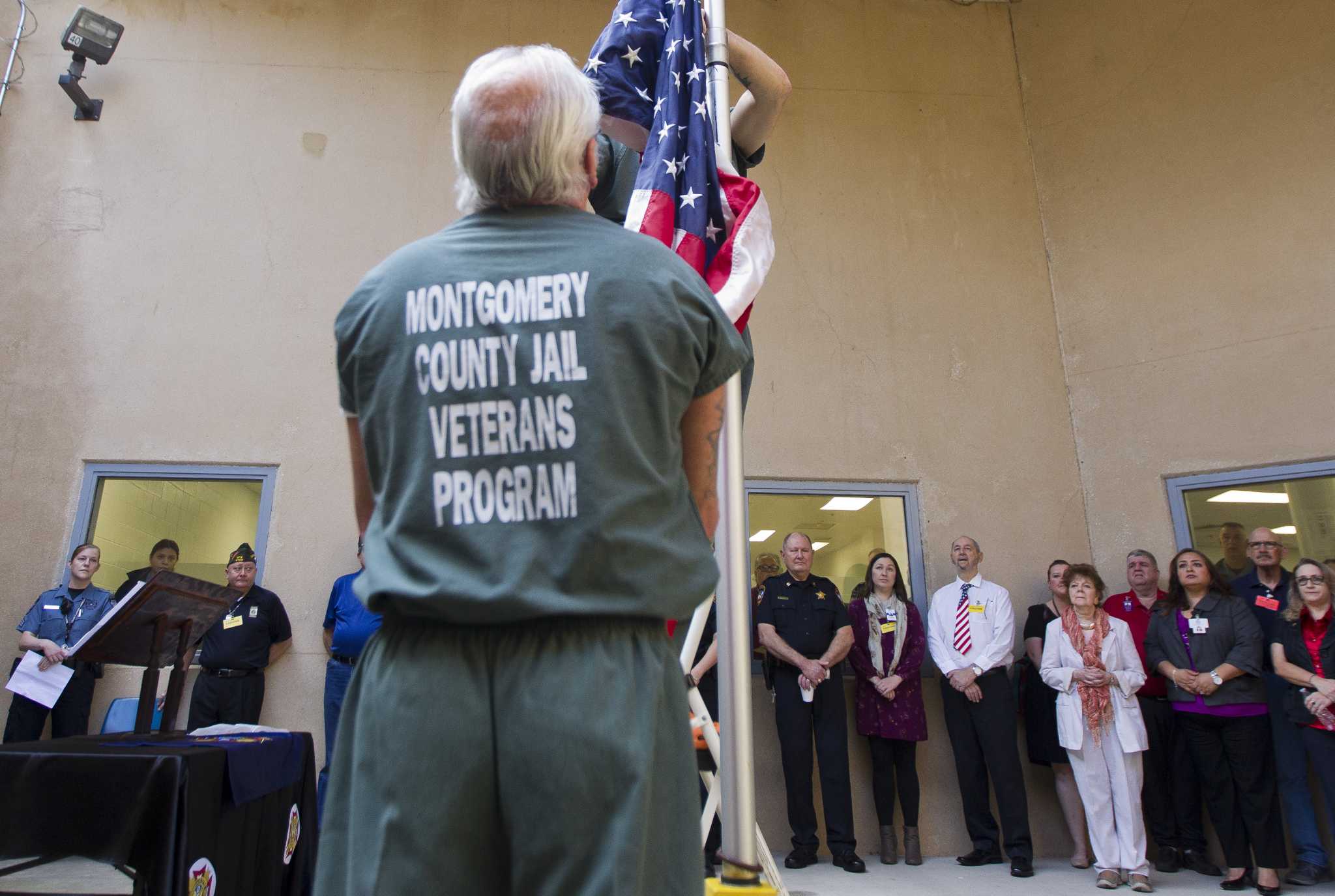
Retrieved from: https://www.yourconroenews.com/neighborhood/moco/news/article/Mentor-program-launched-for-incarcerated-veterans-12791704.php
Please take a few moments to watch the video below:
https://www.youtube.com/watch?v=GvC1mG1L7DE
It is so obvious from watching his demeanor within the first few seconds of the video, what a mental strain he is under. From the gestures to facial expressions, the stress level appears extremely high. Imagine living like this every day of your life. How could we do more to make people like him return to society? As Nurse Practitioners we will likely have patients who have had traumatic pasts, we must learn to identify those who need help and try to intervene.
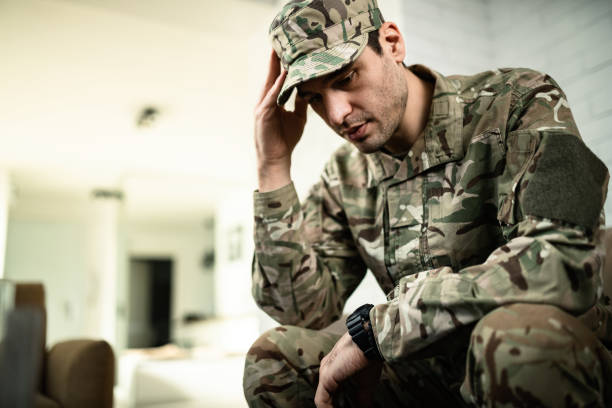
Retrieved from: https://www.istockphoto.com/search/2/image-film?phrase=sad+veteran&tracked_gsrp_landing=https%3A%2F%2Fwww.istockphoto.com%2Fphotos%2Fsad-veteran
If you have a moment, please check out this page. They focus specifically on reintroduction to society, homelessness, suicide, and real stories from veterans.
https://www.youtube.com/@UrbanValorTV
What can we do?
To start, we must change as a society to look out for one another. I grew up in a very rural areas where there was only a handful of people from other cultures. I did not realize as a child how isolating this was, and the significant lack of any cultural variety is not a good thing. As people, we need to eliminate disparities for marginalized people. There should be no reason a person’s race, education level, or location should limit care, given modern technology. We need to be better as providers. For our military, we need to do more inclusive screening to find at risk persons. This will hopefully allow for early intervention of reintroduction to society. All patients should be educated every chance we have, to hopefully end cultural exclusion and misconceptions. We have a duty to do good for the people we interact with as providers, let’s make every interaction one which does something positive for the future!

Retrieved from: how-to-help-someone-with-depression-9-tips
https://www.sciencedirect.com/science/article/pii/S2772724625000307
Ngo et al. (2025) researched this vulnerable population, veterans, but more specifically, those on long-term opioid therapy. This group is likely to have high percentages of chronic pain requiring opioids, large numbers of persons with post-traumatic stress disorder/depression, and likely to experience socioeconomical problems. All of these placing them at a much higher risk of developing a substance abuse problem (Ngo et al., 2025). They researched gaps in the current data regarding veteran substance abuse, and biomarkers to screen veterans. Specifically looking at veterans on long-term opioid therapy and whether there were also substance abuse issues occurring, and if so the relation to mortality rates (Ngo et al., 2025).
I think that this is a phenomenal study. This is a topic which should be a top priority for our military. In thinking about this research, is it proper treatment if we know there is such a prevalent issue that has not been fully studied? They did find increased mortality rates at younger ages for veterans on long-term opioids for pain management, with a co-occurring substance abuse problem (Ngo et al., 2025). It is easy to see how these could be likely findings from my experiences caring for patients of a similar demographic. Ngo et al. (2025) suggest the solution to include broader patient screening, legislation to include prevention and being more proactive to better patient outcomes.
What do you think of this article?
Where do you think further research is needed?

Retrieved from: military-substance-abuse-statistics
Some of us may end up working with veterans as Nurse Practitioners. I think any appointment should provide the opportunity to reach out and help patients within any community, understanding that some of our patients may have extremely different backgrounds. It will be our role as providers to find patients from marginalized communities and become the provider who truly helps them. Think about how many patients one provider could make the make the difference for by being aware and active in the challenges our patients face.
How will you approach treating patients from marginalized communities?
Have you ever heard providers talk negative about a patient due to their appearance, hygiene, culture, language? How did it make you feel?

Retrieved from: https://www.floridatoday.com/story/life/wellness/2022/12/20/finding-the-right-doctor-takes-plenty-of-research-asking-questions/69729166007/
References
Benavidezm G.A., Zahnd, W.E., Hung, P., & Eberth, J. (2024). Chronic disease prevalence in the US: Sociodemographic and geographic variations by zip code tabulation area. Preventing Chronic Disease, 21(1), 1-14. https://doi.org/10.5888/pcd21.230267
Charles-Rodrigues, U., Ngwesi, D.P., Damag, S., Johnson, N., Bharwani, A., Ladha, T., & Salami, O. (2025). Uncovering systemic barriers related to equity, diversity and inclusion in child health research: a scoping review addressing marginalized communities. BMJ Global Health, 10(8), 1-19. https://doi.org/ 10.1136/bmjgh-2024-015824
Ghonasgi, R., Paschke, M.E., Winograd, R.P., Wright, C., Selph, E., & Banks, D.E. (2024). The intersection of substance use stigma and anti-Black racial stigma: a scoping review. International Journal of Drug Policy, 133(104612), 1-58. https://doi.org/10.1016/j.drugpo.2024.104612
Kelton, K., Van Voorhees, E.E., Elbogen, E.B., & Dillon, K.H. (2022). Correlates of incarceration history among military veterans. Military Psychology, 35(6), 577-589. https://doi.org/10.1080/089955605.2022.2141049
Kirkbride, J.B., Anglin, D.M., Colman, I., Dykxhoorn, J., Jones, P.B., Patalay, P., Pitman, A., Soneson, E., Steare, T., Wright, T., & Griffiths, S.L. (2024). The social determinants of mental health and disorder: Evidence, prevention and recommendations. World Psychiatry, 23(1), 58-90. https://doi.org/10.1002/wps.21160
Ngo, T.P., Keyhani, S., Leonard, S., & Haggatt, K.J. (2025). Substance use and use disorders among Veterans on long-term opioid therapy. Drug and Alcohol Dependence Reports, 16(1), 1-9. https://dpo.org/10.1016/j.dadr.2025.100347
Sevelius, J.M., Gutierrez-Mock, L., Zamudio-Haas, S., McCree, B., Ngo, A., Jackson, A., Clynes, C., Venegas, L., Salinas, A., Herrera, C., Stein E., Operario, D., & Gamarel, K. (2020). Research with marginalized communities: Challenges to continuity during the COVID-19 pandemic. AIDS Behavioral, 24(7), 2009-2012. https://doi.org/10.1007/s10461-020-02920-3
Sussman, S., & Sinclair, D.L. (2022). Substance and behavioral addictions, and their consequences among vulnerable populations. International Journal of Environmental Research and Public Health, 19(10), 1- 5. https://doi.org/10.3390/ijerph19106163


No comments:
Post a Comment